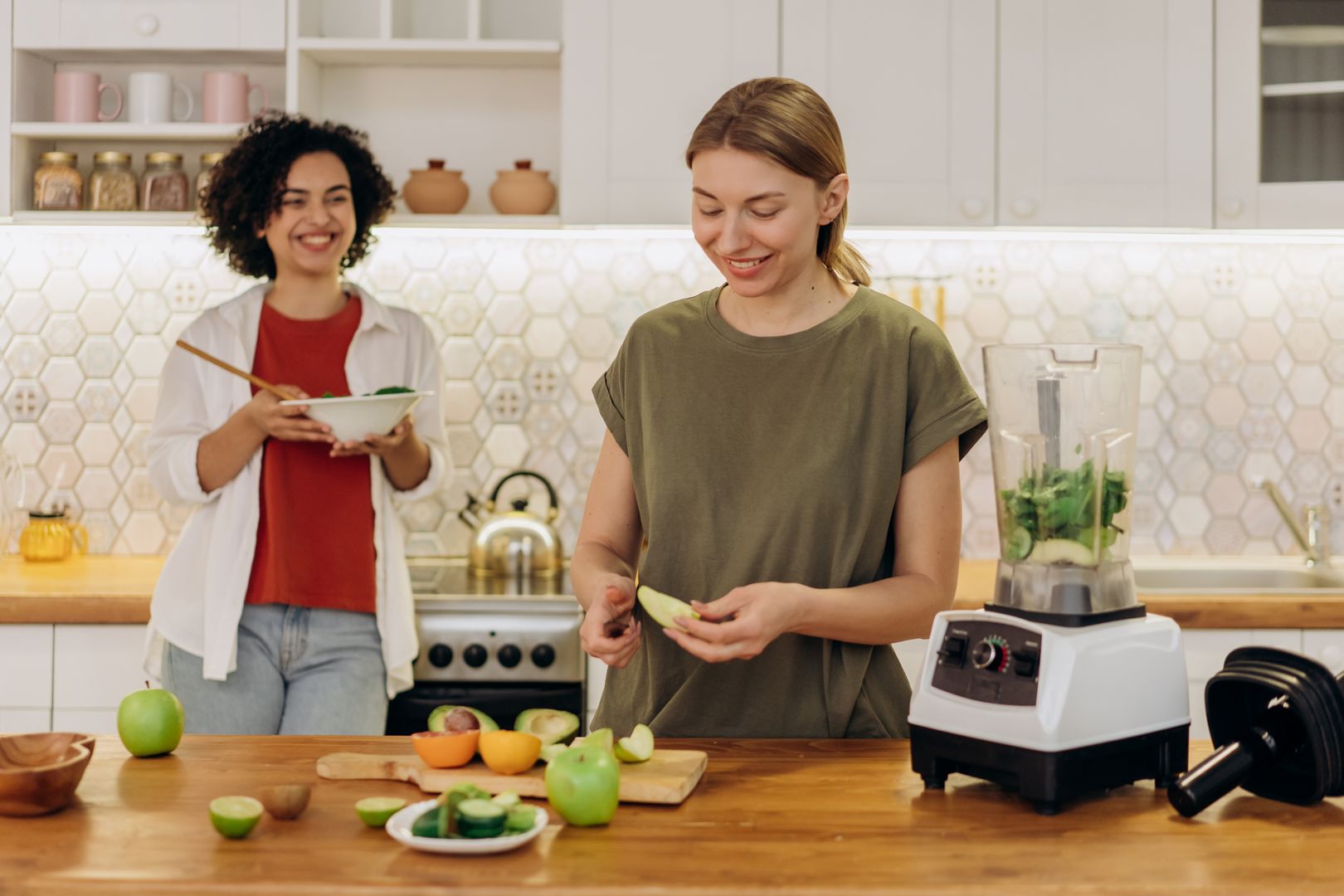
Blending power that translates into texture is the foundation. Marketing departments love wattage numbers, but real outcomes matter more: can the machine pull frozen chunks down without constant shaking, and does it leave grit when you add chia, kale, or ice? In this class, 900–1200 watts is the sweet spot for reliably smooth results in thick, spoonable blends that don't require babysitting.
The 600–700 watt machines can still work, but you'll need better loading technique—liquid first, powders next, frozen last—and more patience. Lower power means more restarts and shaking to coax ingredients into the blade zone, which defeats the convenience promise of a personal blender designed to save time.
Cup design is the second make-or-break factor. Personal doesn't always mean enough: a 16 oz cup is fine for a quick protein shake but cramped for a full smoothie with greens and frozen fruit once you account for headroom. Capacity isn't only about volume—it's about how easy it is to get ingredients moving without overfilling and creating a mess on the counter.
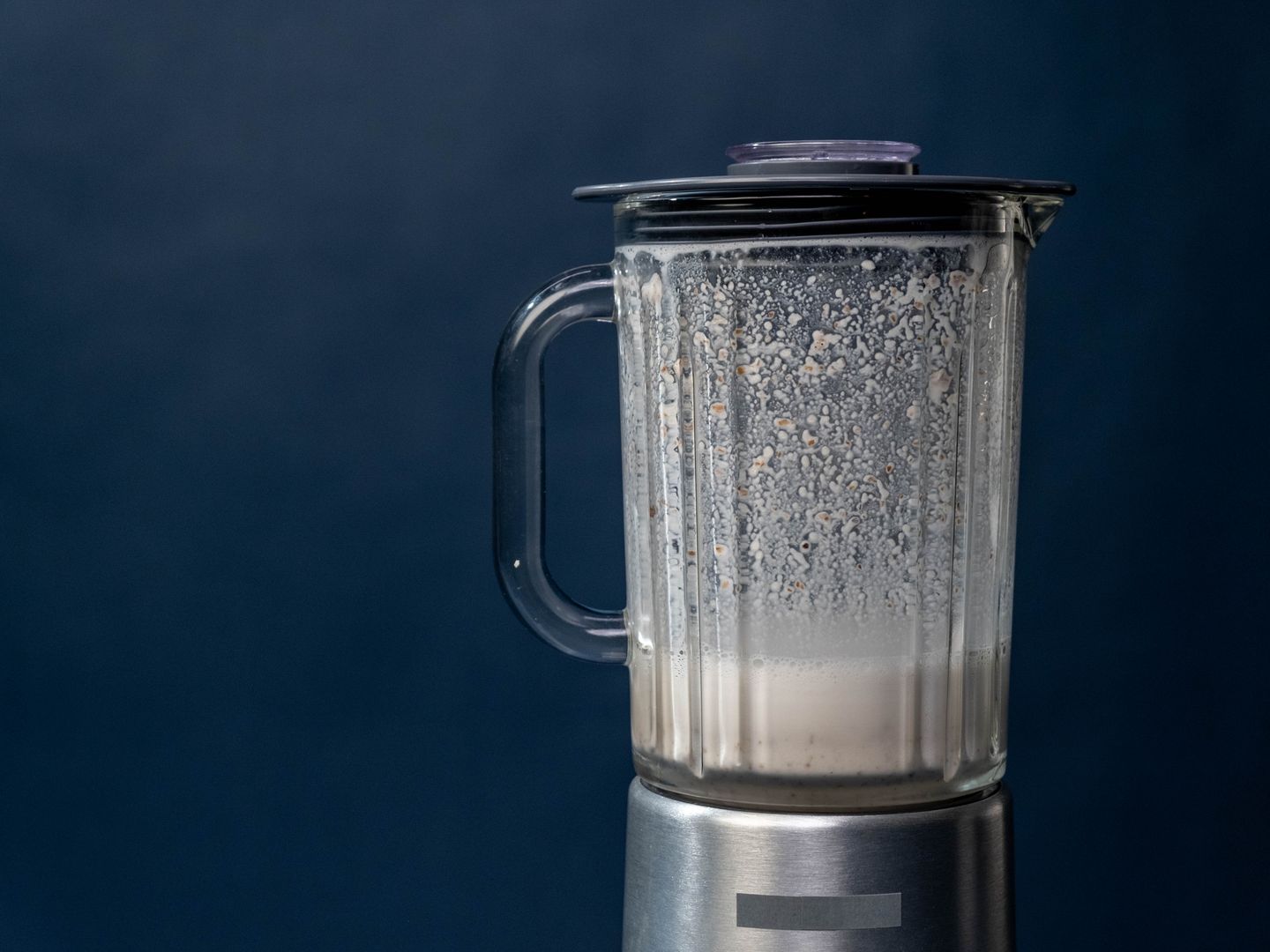
Prioritize cups that don't feel like they're one drop away from stripping threads, and lids that don't mysteriously weep into your bag. Twist-on blade assemblies are fast, but they're also where leaks start if you overtighten, cross-thread, or forget the gasket. Dishwasher-safe parts help, but the real daily-driver test is whether a 15-second rinse actually clears sticky nut butter and protein powder from the blade hub.
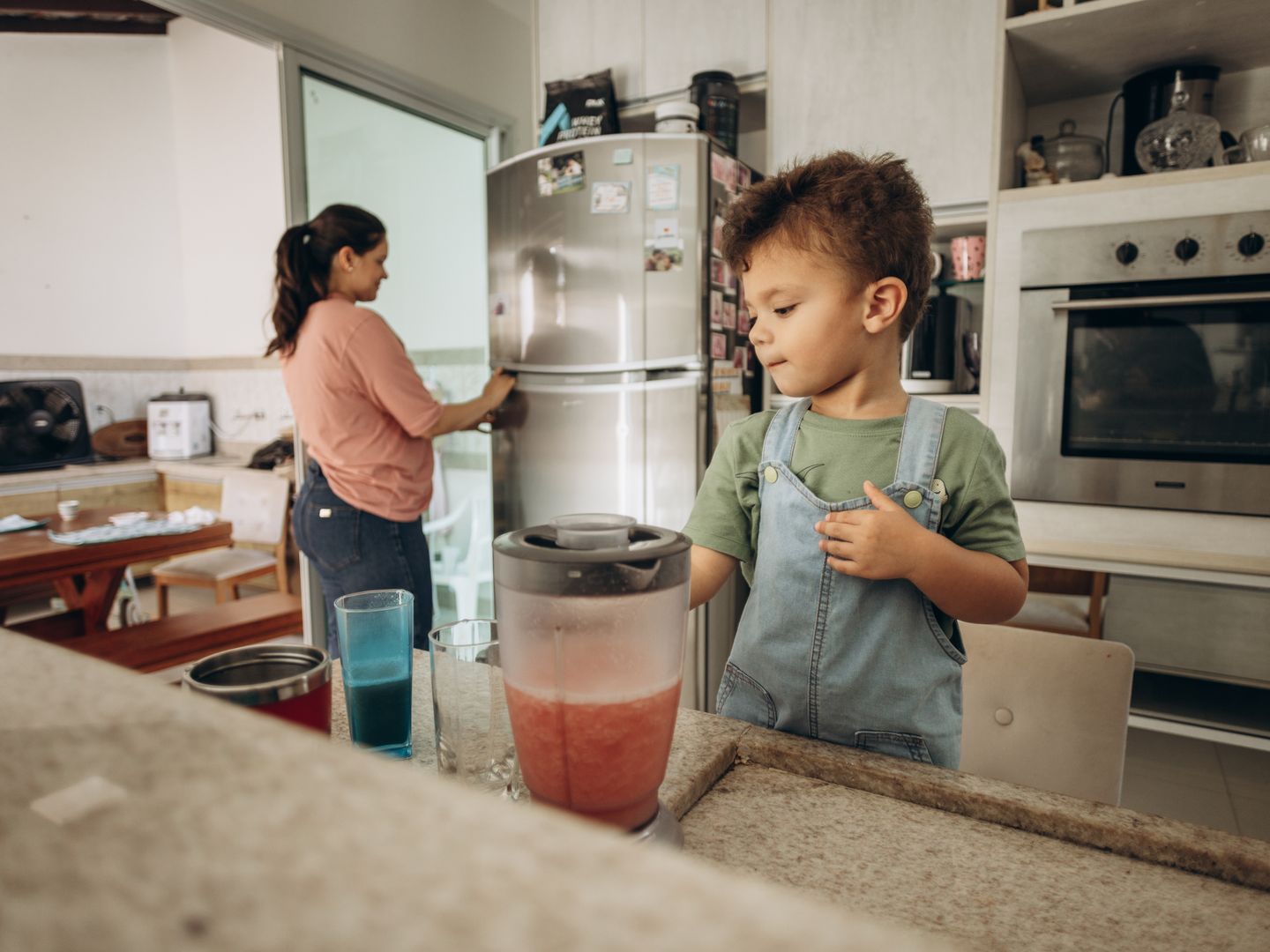
Noise and footprint are the reality check most reviews skip. Most single-serve blenders are loud, especially with ice, and the taller the cup, the more they behave like a small jackhammer on your countertop. If you're blending early around kids or roommates, prioritize a model that doesn't require long run times or repeated restarts to achieve smooth results.
Durability and safety deserve extra attention in 2026. The BlendJet 2 situation is a cautionary tale: as of a CPSC update dated May 13, 2025, BlendJet Inc. is out of business, the recall remedy is no longer available, and consumers are told to discard recalled units and not donate or resell. That's the opposite of what you want in a portable tool meant to simplify daily routines.
In 2026, treat portable blender claims with extra skepticism and lean toward established brands with clear support. A great smoothie habit beats a drawer full of gadgets you don't use, so if you're also outfitting your snack prep corner with home dehydrators or other appliances, prioritize the blender first and choose one that will actually stay on the counter.